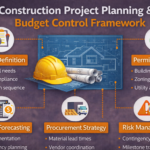


Construction project planning and budget control framework determines whether a project delivers structural reliability, financial discipline, and long-term performance. Many property owners focus heavily on finishes and timelines. However, successful construction begins with scope definition, cost forecasting, regulatory alignment, and risk mitigation.
In Memphis, TN, construction projects must account for soil expansion characteristics, moisture exposure, permitting requirements, labor availability, and material lead times. Without structured planning, budgets drift, and timelines compress unpredictably. Lawrence and Lawrence General Contractors, LLC applies disciplined preconstruction methodology to residential, commercial, and industrial projects to ensure clarity before ground is broken.
Preconstruction Scope Definition
Every successful construction project planning and budget control framework begins with precise scope definition.
Core Planning Components
• Structural requirements and load paths
• Mechanical, electrical, and plumbing coordination
• Code compliance verification
• Material performance standards
• Inspection sequencing
Ambiguity at the planning stage introduces change orders later. Therefore, defining scope in writing protects both the owner and the contractor.
Additionally, identifying potential constraints early prevents budget inflation caused by rework or redesign.
Budget Forecasting and Cost Segmentation
Construction cost control depends on segmentation rather than lump-sum estimation. A detailed budget divides expenses into measurable categories.
Budget Categories
• Site preparation and grading
• Foundation and structural framing
• Exterior envelope systems
• Interior build-out
• Mechanical systems
• Contingency allocation
Segmented forecasting allows owners to see where capital is allocated. Moreover, contingency planning reduces financial shock from unforeseen site conditions.
The U.S. Small Business Administration provides guidance on capital planning and cost forecasting:
https://www.sba.gov/
Cost transparency strengthens decision-making throughout the project lifecycle.
Regulatory and Permit Alignment
Permitting delays are one of the most common causes of schedule disruption. A structured construction project planning and budget control framework integrates regulatory research before procurement begins.
Compliance Considerations
• Local building code requirements
• Zoning restrictions
• Utility tie-in approvals
• Environmental controls
• Inspection scheduling
Failure to align regulatory requirements can result in stop-work orders, fines, or redesign expenses.
Learn more about our Commercial Construction services:
https://www.lawrenceandlawrencegc.com/services/commercial-construction/

Procurement and Material Lead Time Strategy
Material volatility has become a significant industry factor. Therefore, procurement planning must address supply chain realities.
Procurement Controls
• Vendor qualification
• Lead time verification
• Material storage coordination
• Subcontractor scheduling
• Price lock agreements when available
Securing long-lead items early prevents cascading schedule delays. Additionally, coordinating deliveries protects site organization and reduces damage risk.
Risk Management and Contingency Planning
No construction project operates without risk. However, unmanaged risk results in financial instability.
Common Risk Factors
• Weather exposure
• Subsurface surprises
• Labor shortages
• Scope creep
• Inspection delays
A disciplined construction project planning and budget control framework includes structured contingency allocation and milestone tracking.
The Occupational Safety and Health Administration provides safety standards that influence jobsite risk mitigation:
https://www.osha.gov/
Integrating safety planning reduces liability exposure and protects workforce continuity.
Schedule Control and Milestone Tracking
Timelines must be realistic and measurable. Therefore, project planning includes milestone mapping tied to budget draw schedules.
Milestone Examples
• Permit approval
• Foundation completion
• Framing inspection
• Dry-in stage
• Mechanical rough-in
• Final inspection
Tracking milestones against budget expenditure prevents financial imbalance between completed work and payments issued.
Learn more about our Residential Construction services:
https://www.lawrenceandlawrencegc.com/services/residential-construction/
Communication Structure and Documentation
Communication breakdown frequently leads to conflict. Structured reporting reduces misunderstandings.
Communication Controls
• Weekly progress summaries
• Budget variance reporting
• Change order documentation
• Inspection results logging
• Material tracking reports
Documented communication ensures clarity and protects contractual alignment.
Lifecycle Performance Considerations
Construction planning should extend beyond completion. Long-term durability must influence material selection and installation methods.
Lifecycle Planning Factors
• Moisture resistance
• Thermal efficiency
• Structural longevity
• Maintenance requirements
• Warranty coverage
Investing in durable systems reduces long-term ownership cost. Consequently, lifecycle evaluation strengthens property value retention.
Strategic Construction Management
Construction project planning and budget control framework protects structural integrity, regulatory compliance, and financial performance. Without disciplined planning, even well-designed projects experience cost overruns and schedule instability.
Lawrence and Lawrence General Contractors, LLC integrates preconstruction scope development, budget segmentation, permit coordination, procurement planning, and milestone tracking to ensure predictable project outcomes across residential, commercial, and industrial sectors.
Strategic planning is not an administrative formality. It is the foundation of structural reliability and financial control.
For consultation:
Lawrence and Lawrence General Contractors, LLC
901-750-1000
Available via call or WhatsApp
Info@LandLGC.com