

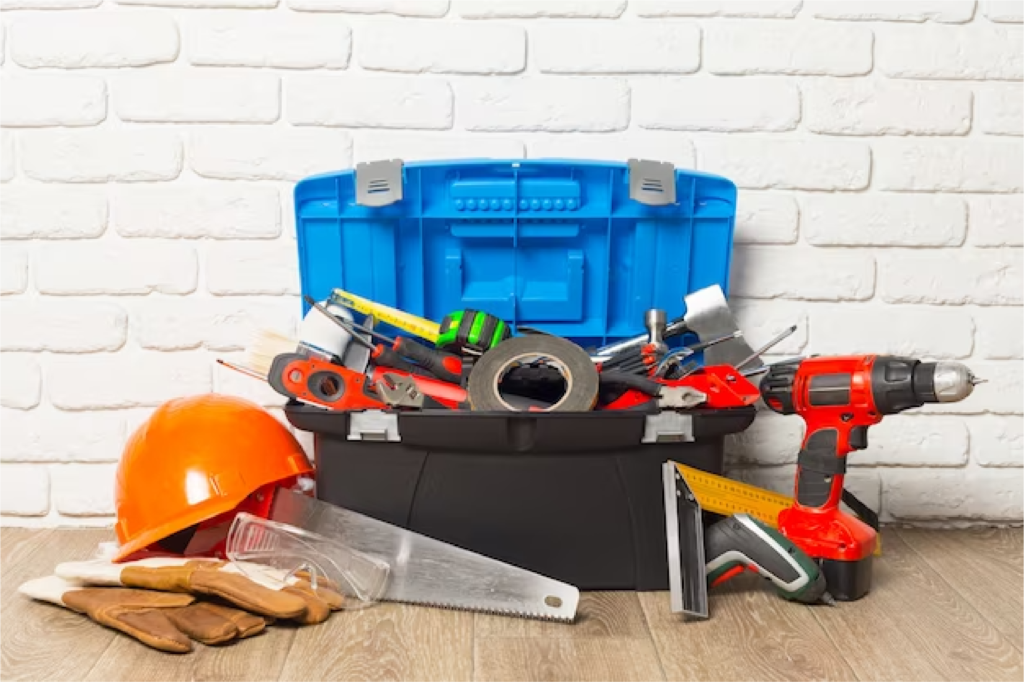
Essential tools every DIY renovator should own can determine whether a project ends in satisfaction or costly correction. While home improvement projects can be rewarding, they demand precision, structural awareness, and disciplined execution. In Memphis, TN, environmental conditions such as humidity, temperature fluctuation, and seasonal storms further increase the importance of proper preparation.
Before beginning any renovation project, homeowners should assess both their tool inventory and their understanding of structural limitations. Lawrence and Lawrence General Contractors, LLC frequently evaluates renovation work that began as DIY but required professional correction due to improper equipment use or incomplete planning.
Below, we maintain the core tool categories while presenting them within a structured, professional framework.
Measuring and Marking Tools
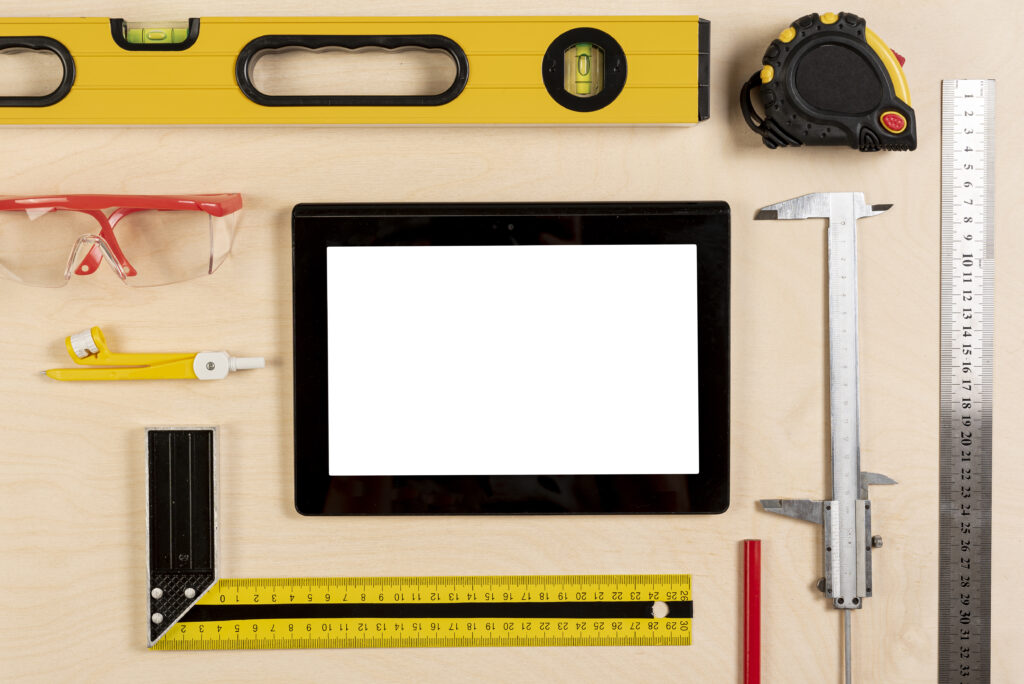
Accurate measurement forms the foundation of every successful renovation. Improper layout can lead to uneven finishes, misaligned cabinetry, and structural inconsistencies.
Essential measuring and marking tools include:
• Tape measure with clear fractional markings
• 24 inch or 48 inch level
• Framing square
• Chalk line
• Carpenter’s pencil
Precise measurements ensure straight cuts, square corners, and proper fastener placement. For projects involving structural framing or layout adjustments, planning discipline is critical. Larger scale remodeling may benefit from consultation under Residential Construction services:
https://www.lawrenceandlawrencegc.com/services/residential-construction/
Power Tools: Drills and Drivers
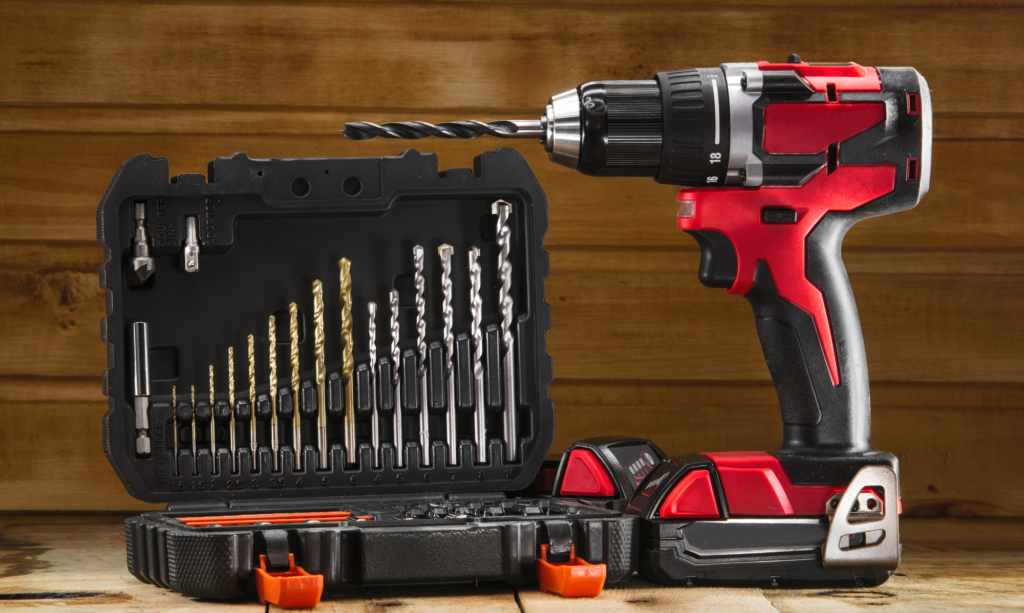
Power drills are central to most renovation tasks. From assembling cabinetry to installing fixtures, drilling accuracy and torque control matter.
Recommended equipment includes:
• Cordless drill with variable speed
• Impact driver for heavy duty fastening
• Assorted drill bit sets
• Screwdriver attachments
Cordless systems allow mobility, while impact drivers deliver consistent fastening strength. When working near electrical wiring or plumbing lines, careful penetration depth control is essential.
Sawing Tools: Circular Saw and Jigsaw
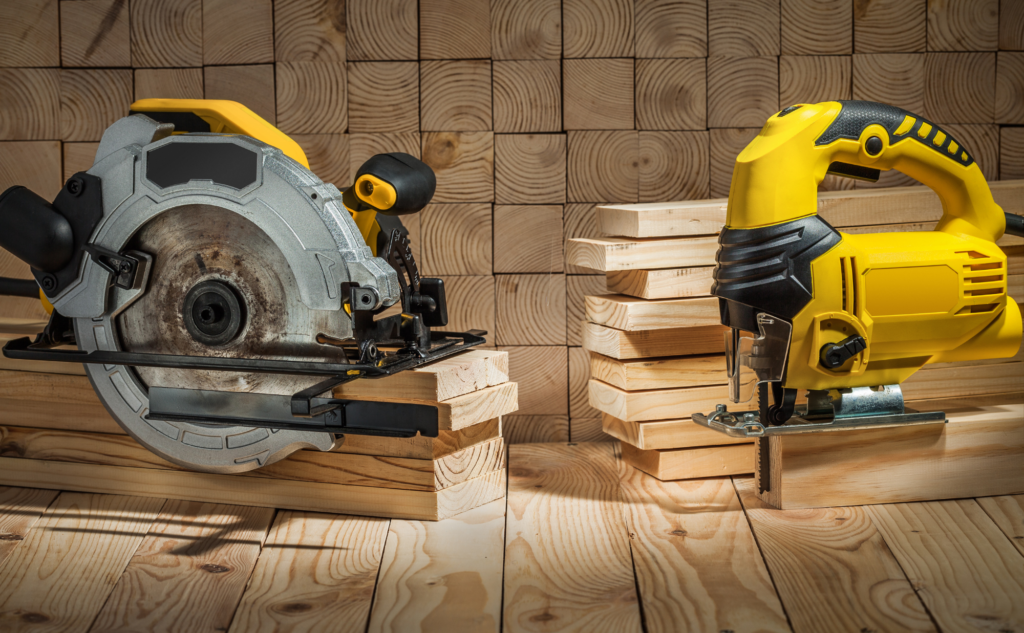
Cutting tools must match material type and desired finish.
Core sawing tools include:
• Circular saw for straight cuts in lumber and plywood
• Jigsaw for curved cuts and detailed shaping
• Miter saw for trim and molding applications
Improper cutting angles create alignment issues that affect both aesthetics and structural performance. Structural modifications should always be evaluated before cutting into framing components.
Safety Gear
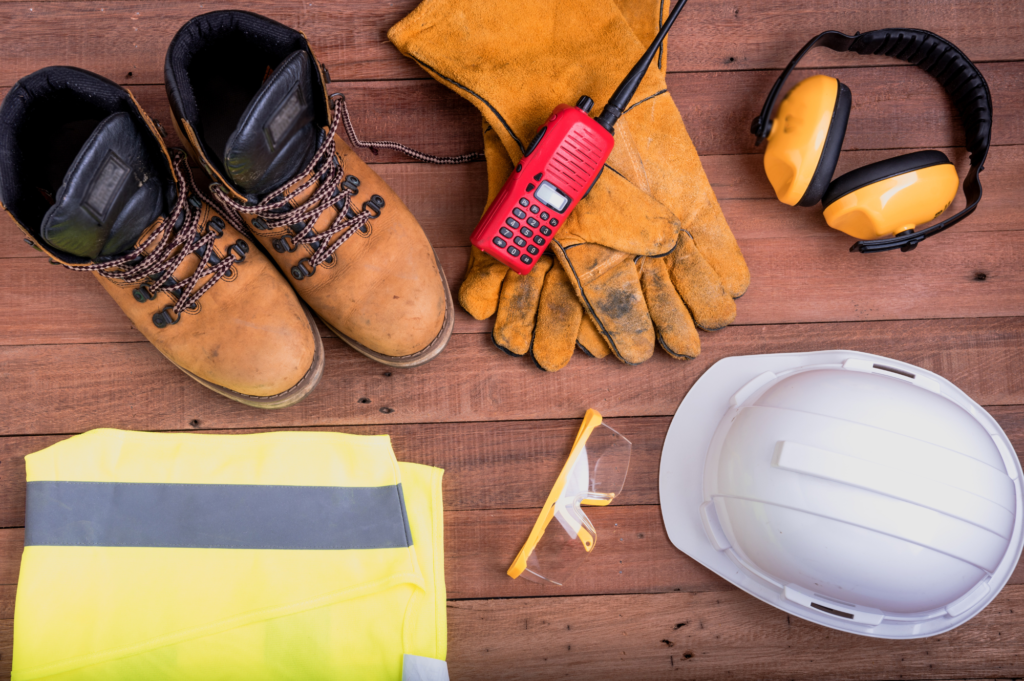
Safety equipment is non negotiable in any renovation environment. Construction materials, airborne dust, and power tools introduce real risk.
Minimum protective gear includes:
• Safety glasses
• Hearing protection
• Dust masks or respirators
• Heavy duty work gloves
Proper protection reduces exposure to airborne particles and flying debris. OSHA provides safety standards applicable to construction related work:
https://www.osha.gov
Painting and Finishing Tools
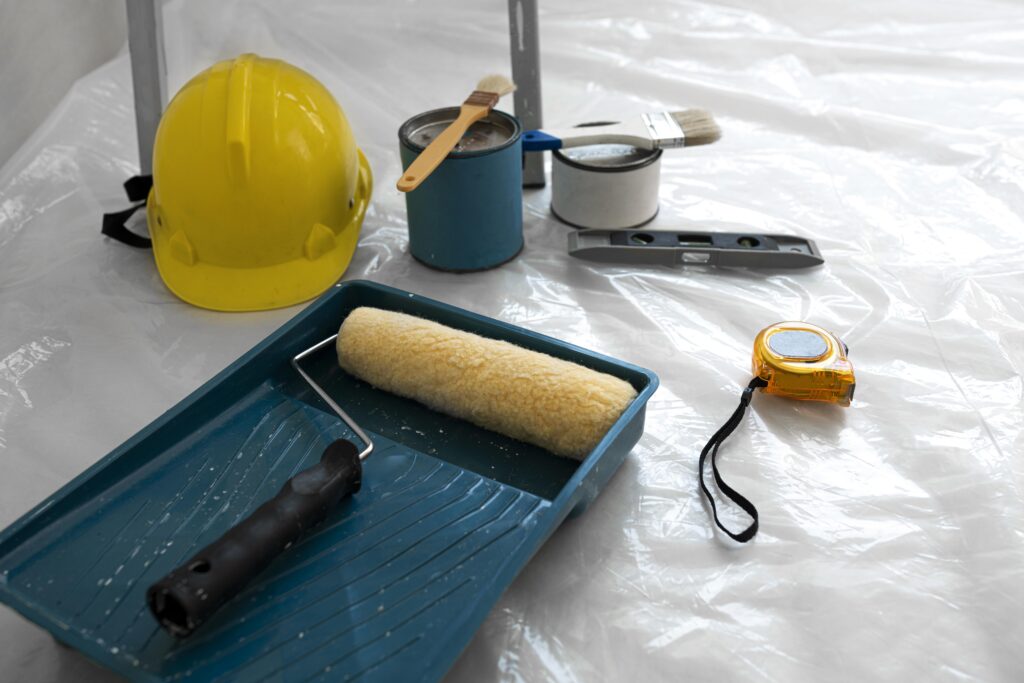
Finishing tools determine the final appearance of a project. Surface preparation is as important as application.
Recommended finishing tools include:
• Paint rollers and angled brushes
• Paint trays
• Painter’s tape
• Drop cloths
• Sandpaper and sanding blocks
• Putty knives and wood filler
Careful sanding, priming, and masking produce professional results. Rushing preparation often leads to visible imperfections.
Demolition Tools: Pry Bar and Hammer
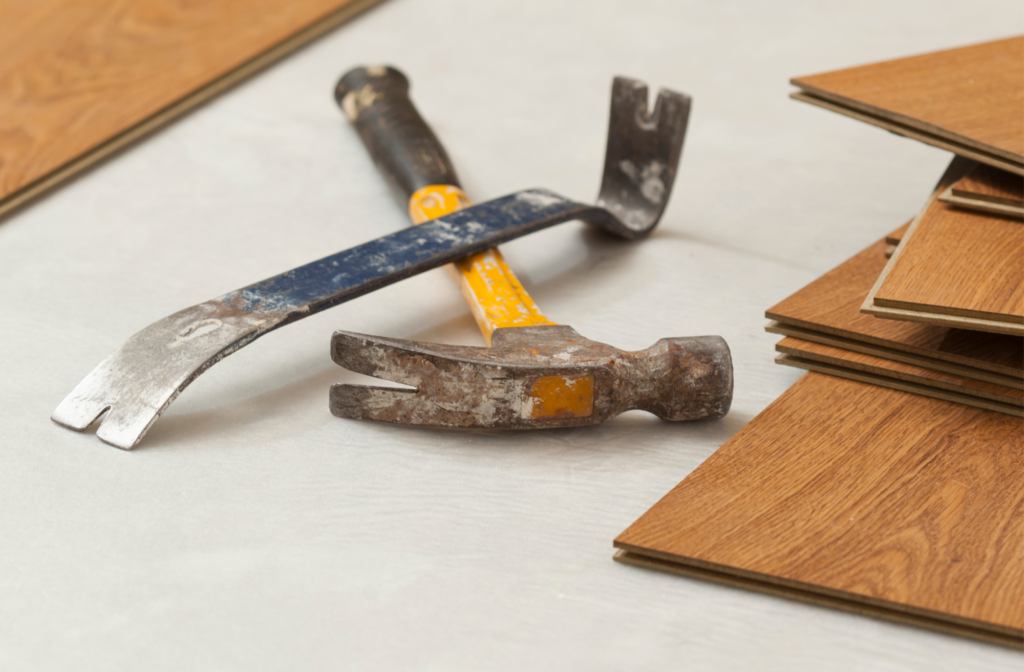
Renovation frequently begins with removal. Controlled demolition prevents unintended damage.
Core demolition tools include:
• Claw hammer
• Pry bar
• Utility knife
• Reciprocating saw for larger removals
Before removing walls or built in fixtures, structural evaluation is critical. Load bearing walls, plumbing lines, and electrical conduits must be identified prior to demolition.
Fastening Tools: Nail Gun and Staple Gun
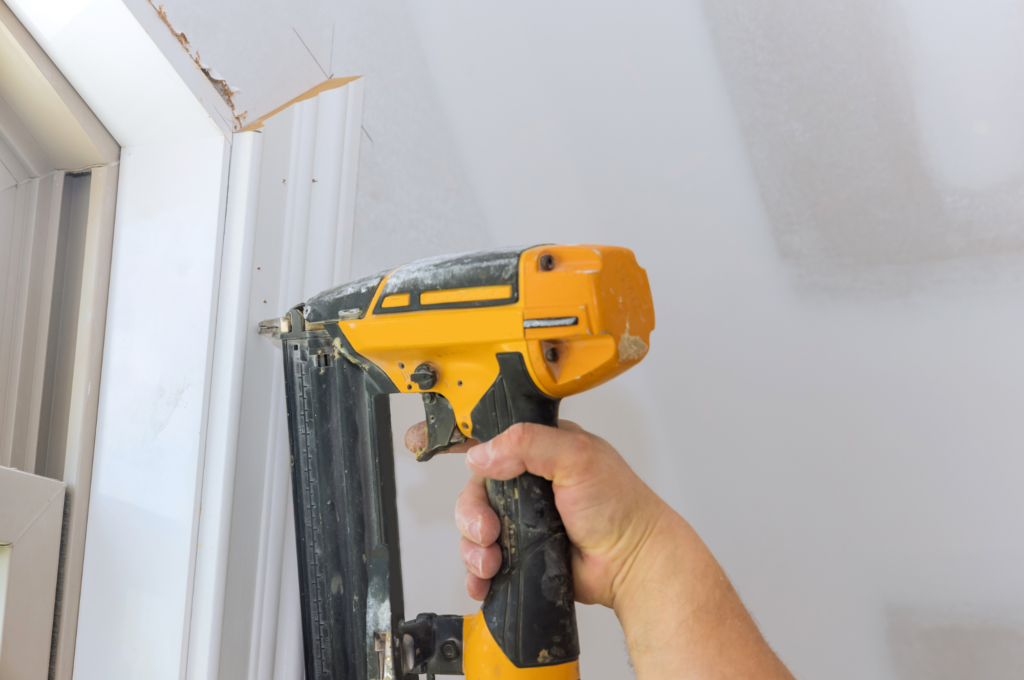
Efficient fastening improves installation quality and saves time.
Common fastening tools include:
• Finish nail gun
• Framing nailer for structural work
• Staple gun
• Adjustable depth controls
Consistent fastening depth prevents material splitting and surface irregularities. For code sensitive projects such as framing or exterior work, professional evaluation may be required under Commercial Construction or Industrial Construction scopes:
https://www.lawrenceandlawrencegc.com/services/commercial-construction/
https://www.lawrenceandlawrencegc.com/services/industrial-construction/
Clamps
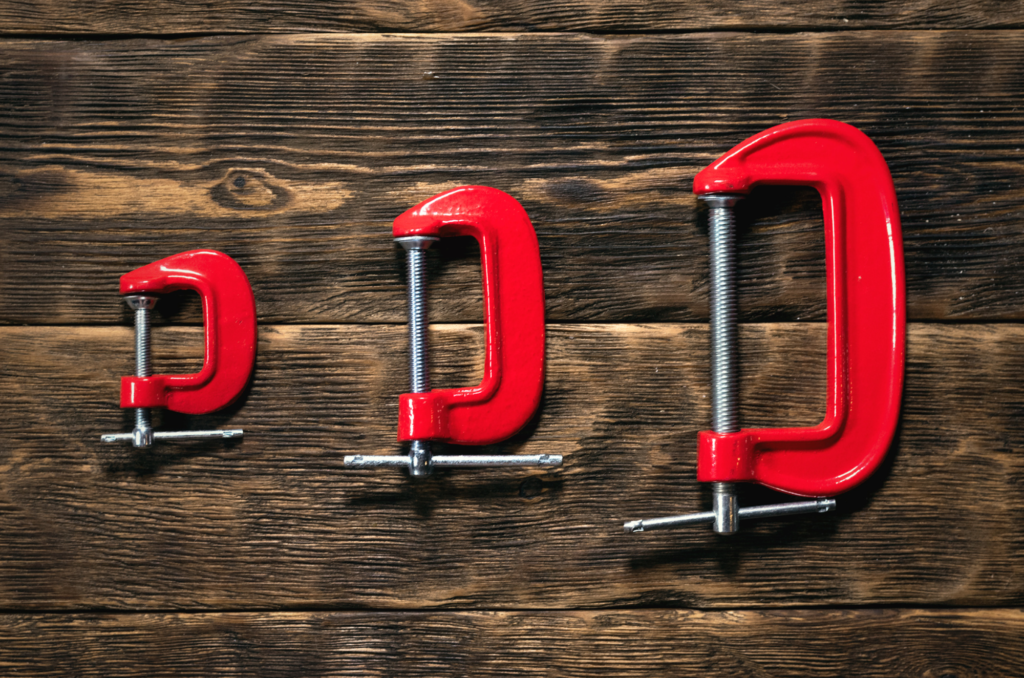
Clamps are often underestimated yet essential for precision work.
Common types include:
• C clamps
• Bar clamps
• Spring clamps
Clamps stabilize materials during gluing, drilling, and fastening. They ensure alignment and reduce movement during curing or assembly.
Strategic DIY Decision Making
While essential tools every DIY renovator should own can support cosmetic improvements, not every project should remain DIY. Structural framing, roofing systems, electrical panels, and plumbing modifications require licensed oversight.
For storm related damage or restoration projects, Insurance Claims Contracting services provide structured documentation and repair coordination:
https://www.lawrenceandlawrencegc.com/services/insurance-claims-contracting/
DIY projects should begin with evaluation of:
• Skill proficiency
• Tool familiarity
• Structural complexity
• Code and permit requirements
When expertise is required, collaboration ensures long term durability and compliance.
Lawrence and Lawrence General Contractors, LLC supports homeowners in Memphis and surrounding areas with professional construction services that integrate structural planning, code compliance, and durable installation methods.
For consultation or project evaluation:
Lawrence and Lawrence General Contractors, LLC
901-750-1000
Available via call or WhatsApp
Info@LandLGC.com