

Roof replacement warning signs should never be ignored. A roofing system protects structural framing, insulation, interior finishes, and mechanical systems. When deterioration begins, damage rarely remains confined to the shingles alone. In Memphis, TN, prolonged heat exposure, humidity, and severe storm cycles accelerate roofing system fatigue.
Understanding roof replacement warning signs allows property owners to make proactive, financially sound decisions before interior damage or structural compromise occurs. Lawrence and Lawrence General Contractors, LLC evaluates roofing systems within the broader context of structural performance, code compliance, and long term durability.
Roof Age and Service Life
The first major roof replacement warning sign is age. Most asphalt shingle systems are engineered for a 20 to 25 year lifespan when properly installed and ventilated. Metal systems may extend longer, yet fasteners, flashing, and underlayment components still degrade over time.
Even without visible leaks, aging systems often experience:
• Reduced shingle adhesion
• Granule erosion
• Underlayment brittleness
• Ventilation imbalance
If a roof is approaching its expected service life, professional inspection is recommended. Waiting for failure increases repair scope and cost.
Surface Deterioration and Material Failure
Visible wear is one of the most direct roof replacement warning signs. Roofing materials are designed to resist UV exposure, wind uplift, and moisture penetration. Once surface integrity declines, system reliability follows.
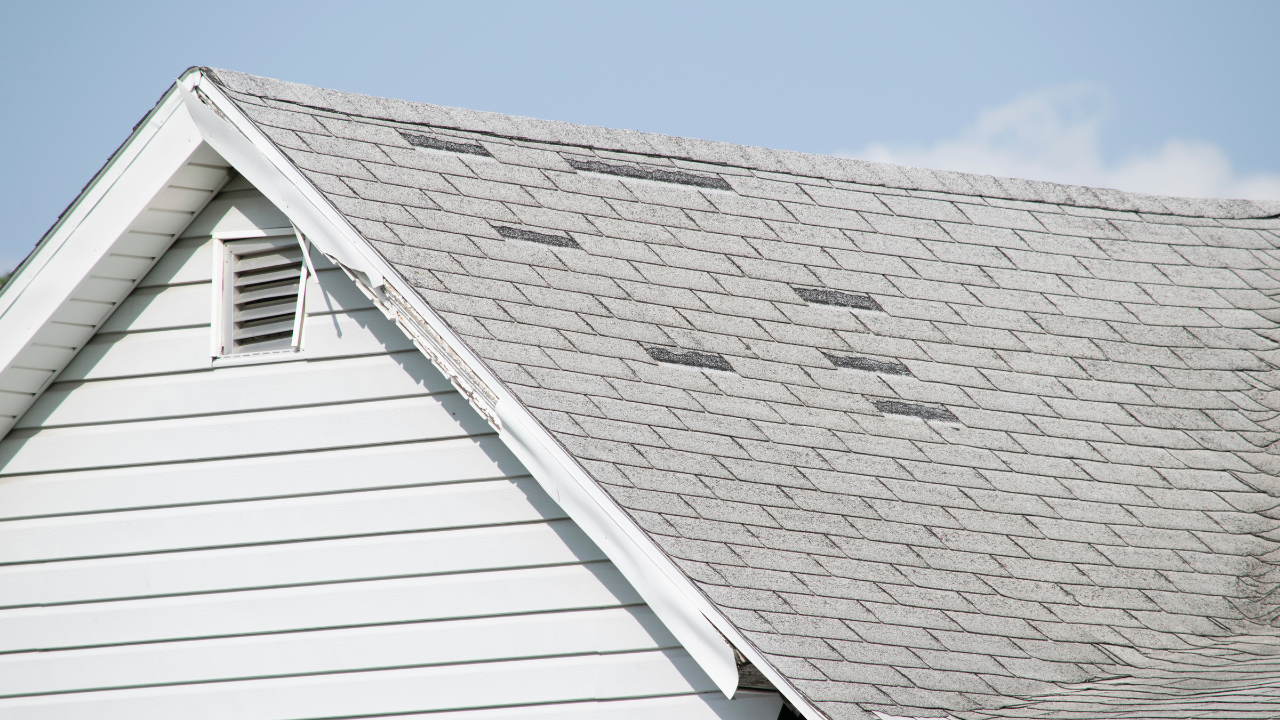
Common Indicators of Shingle Failure
• Curling or cupping edges
• Cracked or split shingles
• Missing shingles after wind events
• Bald spots with heavy granule loss
• Granule accumulation in gutters
Granule protection shields shingles from ultraviolet degradation. Once lost, accelerated brittleness and cracking occur.
Following storm activity, documentation may be necessary for insurance review. Structured support is available through Insurance Claims Contracting services:
https://www.lawrenceandlawrencegc.com/services/insurance-claims-contracting/
Interior Leaks and Moisture Intrusion
Water infiltration is among the most serious roof replacement warning signs. Interior staining or damp insulation indicates compromised system integrity.
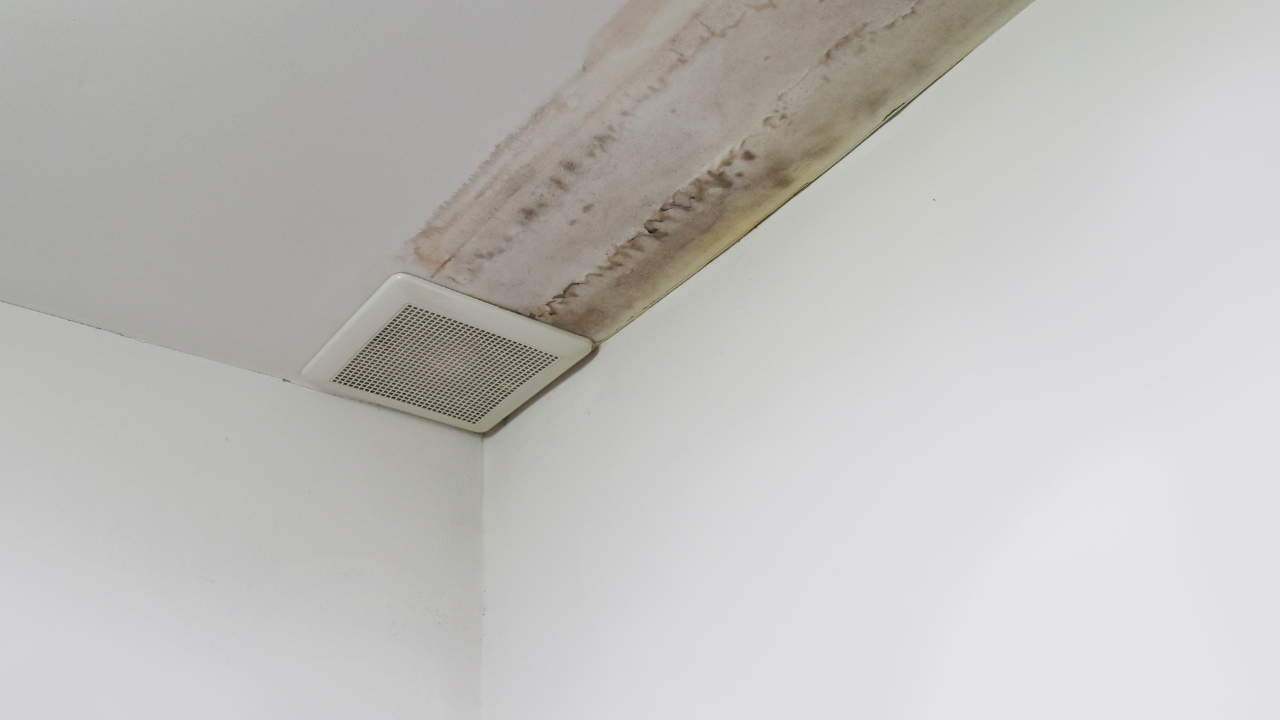
Signs of Active or Developing Leaks
• Brown or yellow ceiling stains
• Damp attic insulation
• Mold formation near roof framing
• Peeling paint near roof transitions
Leaks commonly originate at flashing joints, valleys, and penetrations. Repeated patch repairs may temporarily address symptoms without correcting underlying deterioration.
Structural Sagging and Deck Instability
A roofing plane should remain straight and uniform. Visible sagging, dips, or uneven rooflines signal structural concerns beneath the surface.
Potential Structural Causes
• Decking rot from prolonged moisture
• Compromised rafters or trusses
• Excess load stress
• Improper installation methods
Structural distortion is not cosmetic. Immediate evaluation is required to determine whether reinforcement or full replacement is necessary.
For larger facilities, roofing integrity may align with broader structural evaluations under Commercial Construction or Industrial Construction planning:
https://www.lawrenceandlawrencegc.com/services/commercial-construction/
https://www.lawrenceandlawrencegc.com/services/industrial-construction/
Rising Energy Costs and Ventilation Imbalance
Roofing systems directly influence building energy efficiency. Aging underlayment and improper ventilation increase attic heat retention and reduce insulation performance.
Energy Related Warning Indicators
• Noticeable rise in cooling expenses
• Uneven interior temperatures
• Excess attic heat
• Condensation buildup
Modern roofing systems incorporate balanced intake and exhaust ventilation to regulate airflow and moisture levels. Replacement can improve performance while protecting structural components.
Integrated Roofing Evaluation
Roof replacement warning signs rarely occur in isolation. A comprehensive inspection should assess:
• Roof age and material type
• Percentage of damaged surface area
• Flashing condition
• Deck integrity
• Ventilation balance
• Storm history exposure
Lawrence and Lawrence General Contractors, LLC performs structured roofing evaluations aligned with Tennessee building codes and manufacturer installation standards. Roofing systems are reviewed as part of the full building envelope, not as isolated components.
Residential roofing coordination is supported through Residential Construction services:
https://www.lawrenceandlawrencegc.com/services/residential-construction/
Proactive Replacement Planning
Addressing roof replacement warning signs early protects structural integrity, reduces emergency repair costs, and preserves property value.
Roof replacement is a capital investment. Proper installation, ventilation calibration, flashing integration, and material selection determine long term lifecycle performance.
Lawrence and Lawrence General Contractors, LLC integrates structural analysis, compliance oversight, and durable material systems to deliver roofing solutions engineered for Memphis climate conditions.
For inspections or consultations:
Lawrence and Lawrence General Contractors, LLC
901-750-1000
Available via call or WhatsApp
Info@LandLGC.com
Additional resources:
National Roofing Contractors Association
https://www.nrca.net/
Federal Emergency Management Agency, Protecting Your Home from Wind Damage
https://www.fema.gov
U.S. Department of Energy, Roofing and Energy Efficiency Guidance
https://www.energy.gov/energysaver/roofing
Occupational Safety and Health Administration, Roofing Safety Standards
https://www.osha.gov/roofing